What Is a Good Budget for a Videographer?
If you’re planning a video project, one of the most common questions you’ll face is:
“What’s a good budget for a videographer?”
The honest answer is that a good budget isn’t about choosing the cheapest option — it’s about spending the right amount to achieve your goal. A well-budgeted video saves time, avoids compromises, and delivers results that genuinely work for your business or organisation.
As a London-based videographer with over 15 years of professional experience, I’ve worked with clients across a wide range of budgets. This guide will help you understand what a sensible video budget looks like and how to get the most value from it.
Start With the Purpose of the Video
Before thinking about numbers, ask:
Who is the video for?
Where will it be used? (website, social media, advertising, internal comms)
What result do you want? (awareness, sales, engagement, training)
A social media clip, a corporate brand film, and a commercial advert all require very different levels of investment. The clearer the goal, the easier it is to set a realistic budget.
Typical Videography Budget Ranges
Below are practical budget ranges that work well for many London based video projects.
£500 – £1,000
Best for:
Short events
Simple interviews
Basic social media content
Usually a single videographer with minimal lighting and a straightforward edit. Ideal when speed and simplicity matter more than polish.
£1,000 – £2,500
Best for:
Corporate interviews
Website videos
Event highlights
Internal communications
This is a strong entry-level professional budget and often the sweet spot for many businesses. It typically includes planning, filming, and a polished edit.
£2,500 – £5,000
Best for:
Branded content
Promotional films
Recruitment videos
Multi-camera interviews
At this level, you gain more creative input, higher production values, better lighting and sound, and more refined storytelling.
£5,000+
Best for:
Commercial campaigns
High-end brand films
Documentaries
Multi-day or multi-location shoots
This budget allows for full pre-production, larger crews, advanced equipment, motion graphics, and detailed post-production.
What a Good Budget Actually Pays For
A professional videographer’s fee covers much more than the shoot day itself:
🎬 Pre-Production
Creative development
Scripting or interview planning
Location and logistics
Scheduling
📹 Production
Professional cameras and lenses
Lighting and sound equipment
Crew expertise
On-site problem solving
✂️ Post-Production
Editing and storytelling
Colour grading
Sound mixing
Licensed music
Revisions and final delivery
When clients budget realistically, the entire process becomes smoother and more enjoyable.
Why “Too Cheap” Can Be Expensive
Choosing the lowest quote often leads to:
Rushed shoots
Poor sound or lighting
Limited editing time
Missed objectives
Videos that don’t get used
A good budget allows your videographer to focus on quality and impact, rather than cutting corners.
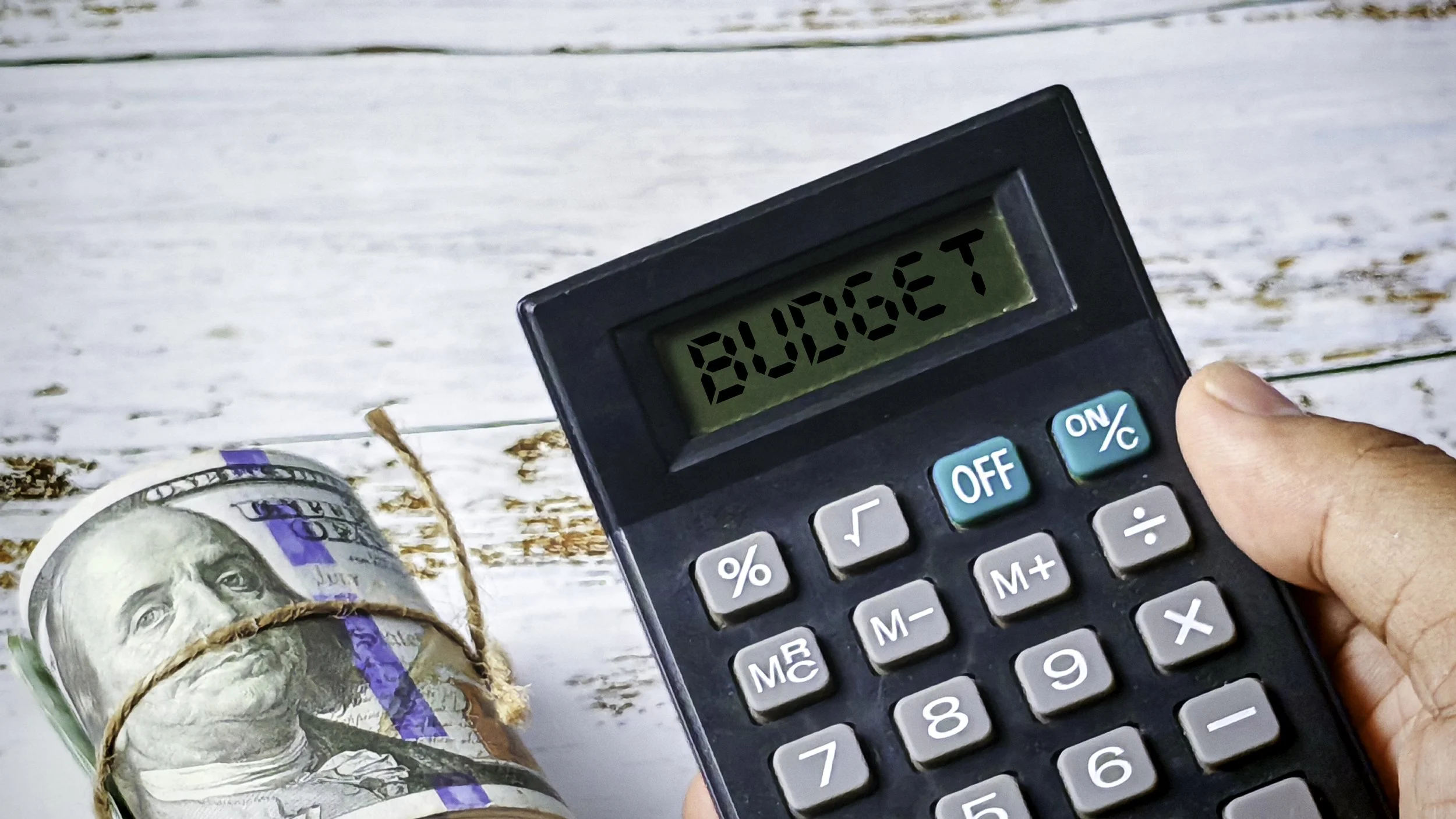
How to Set the Right Budget for Your Project
If you’re unsure where to start:
Decide how important the video is to your business or campaign
Consider how long you want it to be relevant
Think about where it will be seen and by how many people
Speak to an experienced videographer early — guidance at this stage saves money later
A professional videographer will help you shape the project to fit your budget, not push you into unnecessary extras.
Final Thoughts
So, what is a good budget for a videographer?
One that matches your goals, your audience, and the value the video brings to your organisation.
A well-made video is an investment — not just in production quality, but in clarity, credibility, and results.
If you’d like to discuss ideas or explore what’s achievable within your budget, feel free to get in touch via Paul Bates Studios. I’m always happy to offer honest advice and tailored quotes.